











One of the oldest cigar brands in the world has a crazy story behind it, involving Cuban cigars, German spies and bankruptcy.
The Secret Spy Network Behind H. Upmann Cigars
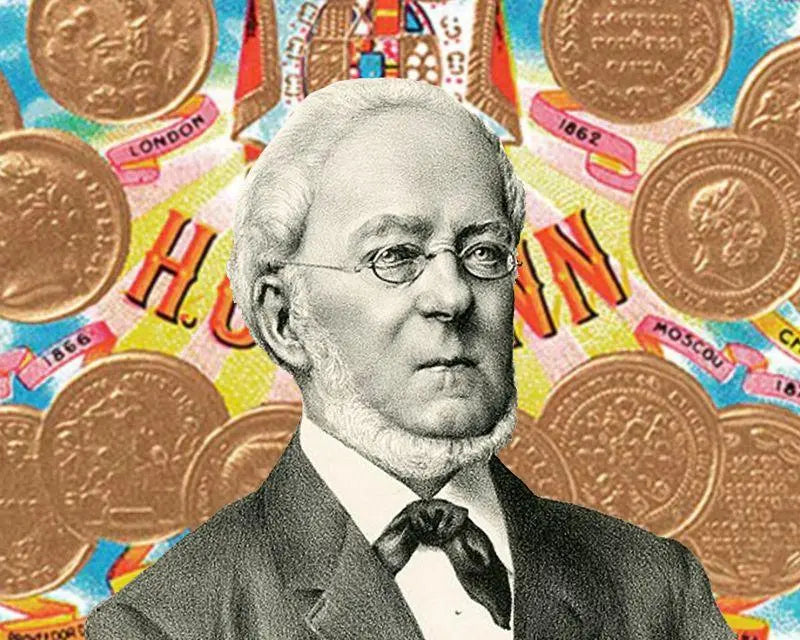
In 1843, a German banker named Hermann Dietrich Upmann landed in Havana to start an import/export business.
Seeing the potential of Cuban cigars, he quickly created a cigar business in parallel with his banking activities.
He is also recognized as the inventor of the cedar box as a means of storing cigars.
This is how H.Upmann started in Cuba, in 1844.
Very successful, the cigar brand built “La Madama”, the José Marti Factory, in La Havana.
Two generations later, Hermann’s nephew, Hermann (again) and Alberto Upmann are at the head of the H.Upmann company but then, the war broke out in Europe.
Latin America was an important aspect of German war strategy and since Cuba remained neutral at the beginning of the war, H.Upmann’s facilities were the perfect destination for German spies, on the run from the US.

The Upmanns and their agents were suspected of supporting and spurring revolts in Haiti and the Dominican Republic in 1916, notably by blowing up sugar ships bound for the United States and its allies.
They were also involved in transporting important documents, and helped move German agents to and from America, via Spain.
But when the Germans began to lose the war, H.Upmann’s involvement came back to haunt them.
In 1917 Cuba declared war on Germany.
The H.Upmann banks were closed for 30 consecutive months.
In the same year, the US placed H.Upmann on the very first U.S. Enemy Trading, a list of foreign companies with whom U.S.
banks and companies were forbidden to trade.
The assets were seized in the U.S. Only one month before the truce (1918), the two brothers were placed under house arrest.
This was a disaster for H.Upmann who could no longer do business.
In 1922, both the bank and the cigar business went bankrupt.

Fortunately, this was not the end of the company.
In 1925, a British distributor of H.Upmann’s, J. Frankau & co, bought and restored the brand, before selling it 10 years later to the makers of the Montecristo brand, Menéndez, García y Cía Co., which could manufacture H.Upmann cigars until 1960, one year after Castro took power and nationalized the cigar companies.
But let’s keep this subject for another reading! ;)