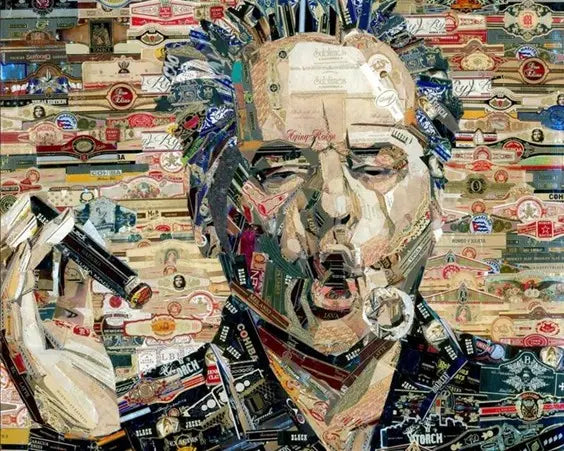












Jack Nicholson Cigar Band Collage by the American artist Alex Gashunin
A question of hygiene and style?
The invention of the cigar band is often wrongly attributed to the Empress of Russia, Catherine the Great. Back to the 18th century, it is said that the Empress wanted to prevent her hands from smelling of tobacco and started wrapping a silk band around each cigar.
But it’s hard to be sure that hygiene and odors were a big concern at the time. Also, no one really know if Catherine the Great was really a cigar smoker.
The other debated origin of the cigar comes from the end of the 19th century England.
Tired of having brown stains on their white gloves, Aristocrats started using bands.
But did the Cuban factories put bands on cigars to avoid this fashion “faux pas”? Not so sure about this.

A way to fight against counterfeiting?
The best explanation for why Cuban factories started putting bands on their cigars is actually a trademark issue.
In the 19th century, Germany was the largest supplier of cigars in the world.
But even then, Cuban cigars were considered the best and were 15 times more expensive than the basic German cigars.
This price difference soon led to fraud.
Some German manufacturers were passing off their cigars as Cubans.
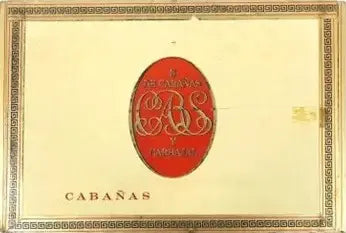
This practice was so widespread that the owner of Cabañas cigars in Cuba, a brand that lasted until the mid-20th century, estimated that “for every one of the 2 million Cuban cigars I ship to Europe, 6 million are being sold there”.
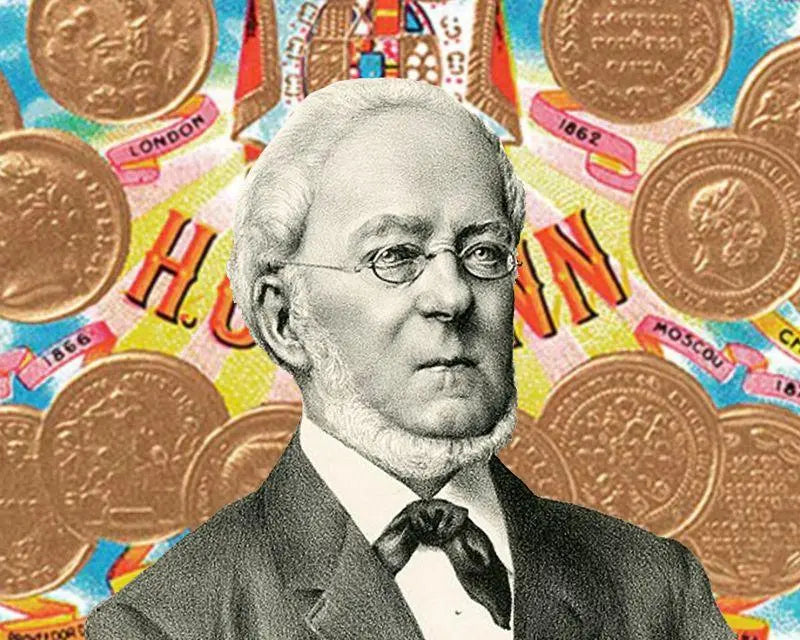
Ironically, it was a German who invented the cigar band, to counteract these fake Cubans sold in Germany, according to cigar historian Tony Hyman.
Gustave Bock, an immigrant to Cuba who owned a cigar factory sought to protect his brand.
In 1830, he placed a paper ring with his signature on each of his cigars for export.
This way, people would know that what they were smoking was authentic. By 1855, almost every Cuban brand had a cigar band.
The bands were registered with the government.
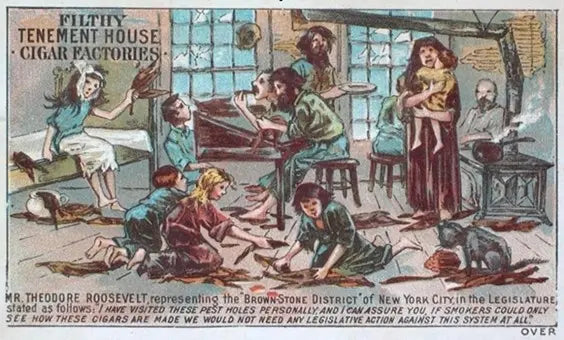
Advertising urged consumers to buy only banded cigars.
Unfortunately, counterfeit cigars still exist today, and cigar bands still play that role.
For example, Padron places an additional numbered band under the top band, making it harder to duplicate.
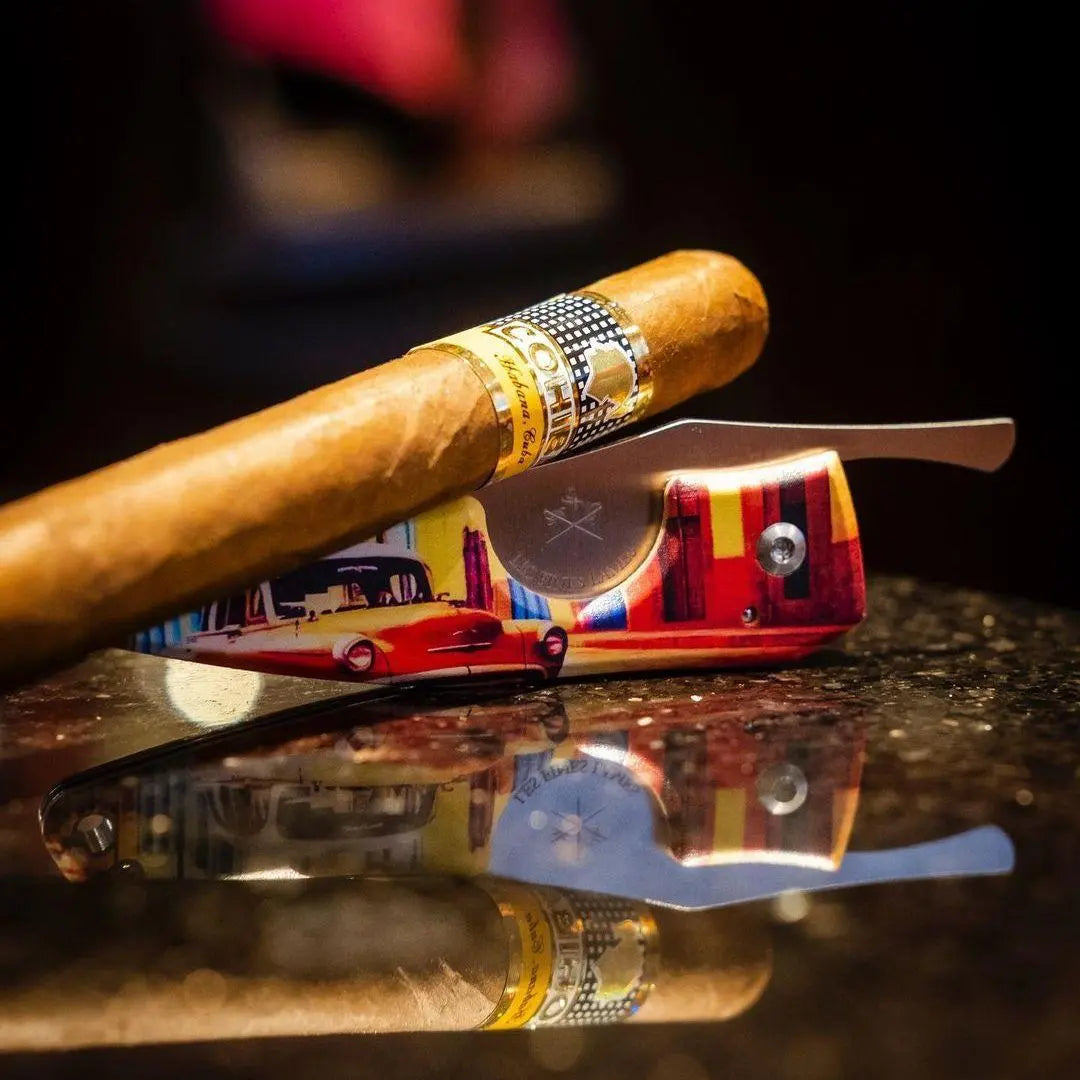
Cohiba, perhaps the most knocked-off Cuban cigar, has constantly updated its bands.
Cigar bands can also be good for arts!
The American artist Alex Gashunin specialized in artwork made from cigar bands, which is worth a look! Sold on Saatchi Art.